- 1
Discovery
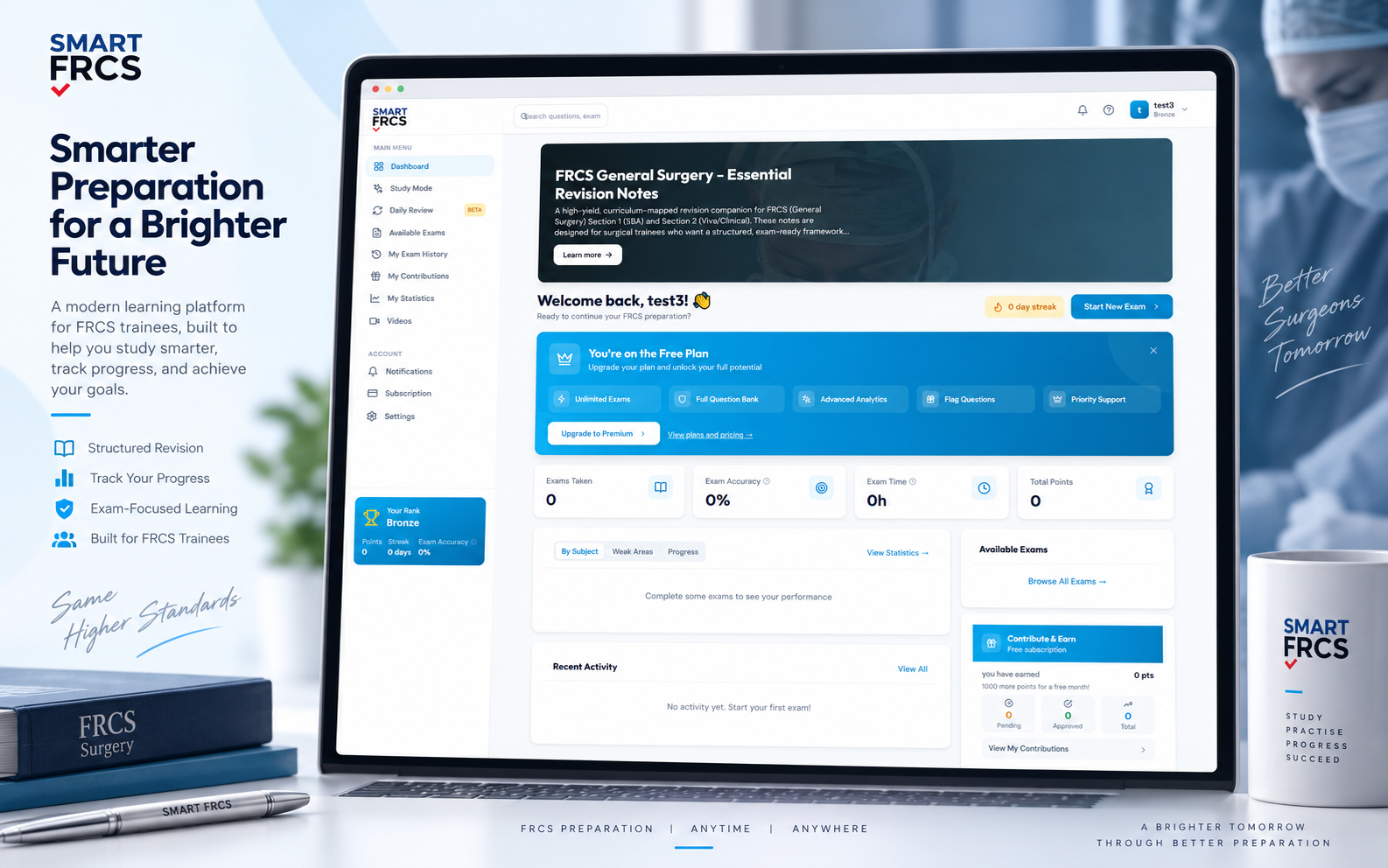
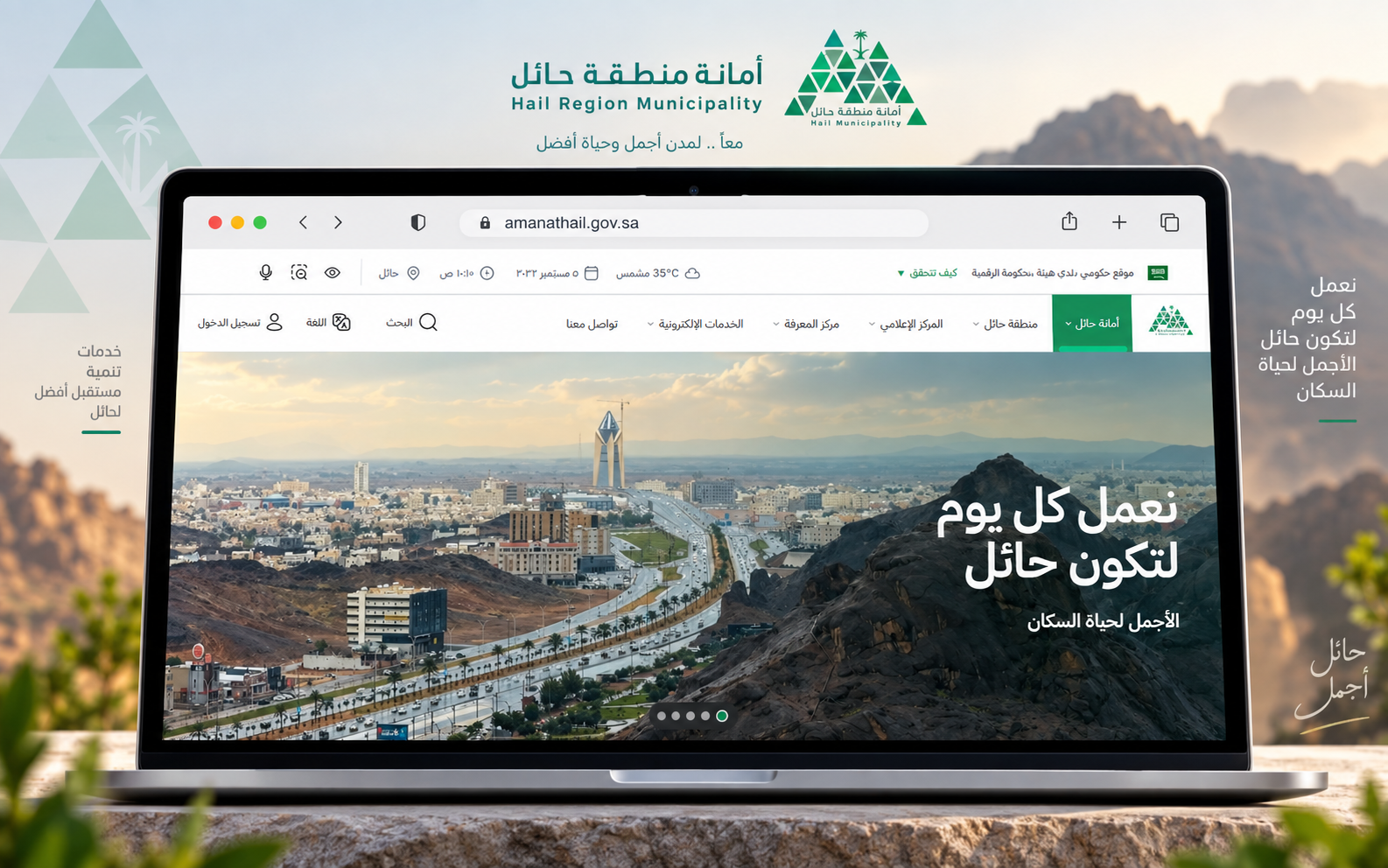
What exists, who uses it and what it has to comply with — before any code. On the municipal work that meant reading the systems that could not be switched off; on the citizen portal it meant sitting with residents while they tried to use it.
You receiveA written problem statement, the real constraints, and a scope you are able to say no to.
- 2
Architecture
The decisions that are expensive to reverse get made and written down first: where the data lives, how the system is split, what the audit trail records, which parts have to keep working when one of them fails.
You receiveAn architecture note and the key decisions behind it, in language a non-engineer can review.
- 3
Delivery
Small teams and honest reporting. Across the engagements written up here the team was anywhere between one person and a lead with four engineers, and the work ran between five and sixteen months. You are told when something slips, at the point it slips.
You receiveWorking software you can use on a staging environment, matching the scope that was agreed.
- 4
Production
Going live is a milestone, not the end of the work. Monitoring, backups and the recovery procedure are in place and tested before launch rather than assembled during the first incident.
You receiveA running system with monitoring, backups and a recovery path that has actually been rehearsed.
- 5
Handover and support
Documentation and training so your team can run the system, and a support arrangement for the times it still needs me. Two of these platforms have stayed under continuing development since their first release.
You receiveDocumentation, a team that has been walked through it, and a named route to reach me.